

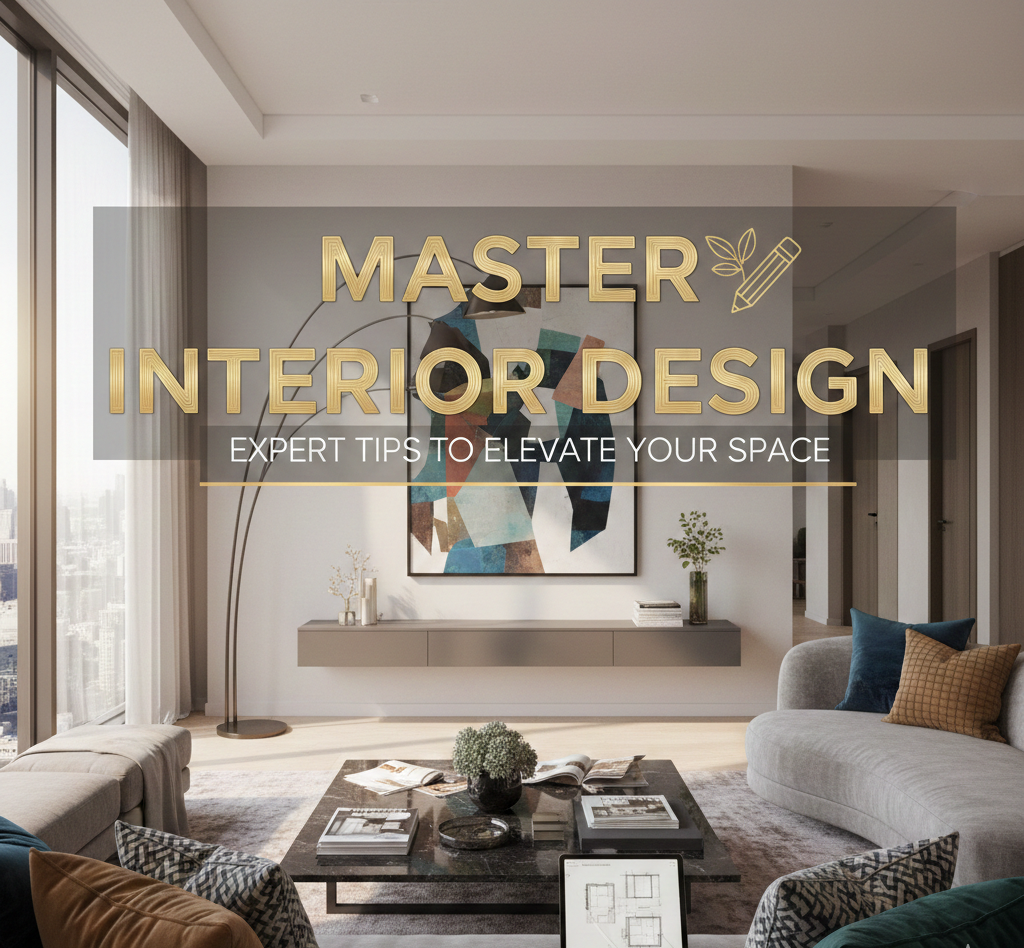
Master Interior Design is the art of transforming ordinary spaces into extraordinary ones blending creativity, functionality, and beauty to create rooms that feel both stunning and livable. A well-designed space can elevate your mood, boost productivity, and bring a lasting sense of harmony to your daily life. Whether you’re a complete beginner or a passionate hobbyist, the right guidance and contemporary inspiration can help you sharpen your interior design skills and unlock your full creative potential.
Understanding the Basics of Interior Design
Before diving into advanced concepts, building a strong foundation is absolutely essential. The core principles of interior design space planning, color theory, natural lighting, texture layering, visual balance, and proportion are what separate a thoughtfully designed room from a cluttered, disorganized one.
Understanding why certain rooms feel open and inviting while others feel cramped or uninspiring comes down to mastering these fundamentals. Concepts like focal points, traffic flow, and spatial harmony play a huge role in how a room is experienced. Once you internalize these basics, every design decision becomes more intentional, efficient, and ultimately more rewarding.
Key NLP-related search terms beginners often look for include how to start interior design at home, interior design tips for small spaces, and room layout ideas for beginners all of which trace back to understanding these core principles.
Learn to Play with Colors and Textures
Color psychology plays a significant role in how a space feels. Soft neutrals like beige, ivory, and warm gray create calm, timeless environments perfect for bedrooms and living rooms where relaxation is the priority. Bold, saturated colors like deep navy, emerald green, or terracotta can inject energy, drama, and personality into a space. Understanding the color wheel, complementary colors, and analogous color schemes helps you make choices that feel cohesive rather than chaotic.
Texture adds an entirely different dimension. Layering a chunky knit throw over a linen sofa, pairing rough natural stone with polished brass fixtures, or combining a shaggy area rug with sleek minimalist furniture creates visual contrast and tactile richness that makes a room feel curated and layered rather than flat. This concept often searched as how to add texture to a room or mixing textures in interior design is one of the most transformative skills you can develop.
Experimenting with warm tones vs. cool tones, matte vs. glossy finishes, and organic vs. industrial materials will elevate your interiors from ordinary to genuinely impressive.
Prioritize Functionality Alongside Aesthetics
A beautiful room that doesn’t work for the people living in it is a missed opportunity. Truly great interior design always serves real life and learning to balance form and function is one of the most important skills you can develop.
Before making any major design decisions, ask yourself how the space will actually be used on a daily basis. This is what designers refer to as human-centered design putting the needs, habits, and lifestyle of the occupants at the center of every choice.
For family homes, furniture should be both stylish and durable. Performance fabrics, scratch-resistant surfaces, and easy-to-clean materials are just as important as visual appeal. In small apartments or studio spaces, multi-functional furniture think storage ottomans, fold-out desks, and convertible sofas — can maximize every square foot without sacrificing style.
Popular searches like furniture arrangement ideas, how to make a small room feel bigger, and space-saving furniture for apartments all reflect this core design need. Comfort and utility aren’t compromises — they are the very foundation of thoughtful, lasting design.
Stay Inspired with Current Design Trends
The world of interior design is constantly evolving, and staying informed helps you make choices that feel both fresh and timeless. From sustainable, eco-friendly decor to Japandi aesthetics, biophilic design, and maximalist interiors, there is a rich variety of modern styles to explore and draw inspiration from.
Biophilic design incorporating natural elements like plants, wood, stone, and natural light is one of the fastest-growing trends in contemporary interiors, driven by a growing awareness of how our environments affect mental well-being. Minimalist design, with its emphasis on clean lines, decluttered spaces, and intentional decor, continues to resonate with those seeking calm and order in their homes.
Trending search terms like modern home decor ideas 2025, sustainable interior design tips, and Japandi style living room reflect what homeowners are actively seeking. Following these trends doesn’t mean chasing every new idea it means finding the styles that genuinely align with your personality, values, and the way you live.
Refreshing your home doesn’t have to be expensive. Affordable home decorating ideas, DIY home improvement projects, and budget-friendly interior design tips are all ways to stay current without overspending.
Master the Art of Lighting Design
One of the most underrated aspects of interior design is lighting. The right lighting strategy can completely transform the feel of a room, making it appear larger, warmer, more dramatic, or more relaxing — depending on what you need.
Designers typically work with three types of lighting: ambient lighting (the general, overall light in a room), task lighting (focused light for specific activities like reading or cooking), and accent lighting (used to highlight architectural features or decor). Layering all three creates a dynamic, flexible space that can shift mood and atmosphere throughout the day.
Natural light is equally important. Understanding how to maximize natural light through the use of mirrors, sheer curtains, light-reflective paint colors, and strategic furniture placement is a skill that dramatically improves any interior. Commonly searched phrases like how to brighten a dark room and best lighting for living rooms point directly to this often-overlooked design element.
Build Confidence Through Small Projects
Like any creative skill, interior design improves significantly with consistent practice. Starting with manageable, low-stakes projects is the best way to build both skill and confidence without feeling overwhelmed.
Consider rearranging your bedroom furniture to improve flow and functionality, redesigning a reading nook with layered textiles and thoughtful lighting, or refreshing a bathroom with new accessories, plants, and a coat of paint. These smaller efforts train your eye for proportion, scale, and color harmony — the instincts that professional designers spend years developing.
Document your projects with before-and-after photos. This not only helps you track your growth but also gives you a personal portfolio to look back on. Many successful interior designers began exactly this way — with one small room and a desire to make it better.
Progress may feel gradual at first, but each project adds to your growing instinct for what works, what doesn’t, and why. Over time, you’ll find yourself naturally thinking about negative space, visual weight, and design cohesion in every room you enter.
The Role of Sustainable and Ethical Design
Modern interior design is increasingly shaped by a commitment to sustainability and conscious consumption. More homeowners are asking questions like how to decorate sustainably, eco-friendly furniture brands, and how to upcycle furniture at home and for good reason.
Choosing sustainably sourced materials, investing in quality over quantity, shopping secondhand and vintage, and selecting non-toxic, low-VOC paints are all ways to design beautifully while minimizing your environmental impact. Sustainable design isn’t a limitation it’s a creative challenge that often leads to more unique, characterful interiors.
This approach also encourages a slower, more intentional approach to decorating one where every piece in a room has a purpose and a story, rather than being chosen purely for aesthetics or convenience.
Final Thoughts
Mastering interior design is a journey, not a destination. It’s a process of continuous learning, creative experimentation, and growing self-awareness about what makes a space truly feel like home. By understanding the fundamentals, developing your eye for color and texture, keeping functionality at the forefront, and staying open to inspiration from current trends, you’ll steadily build a design sensibility that is uniquely and authentically your own.
Every room is an opportunity to solve a problem creatively, to express something personal, and to craft an environment that genuinely supports the way you live. With patience, practice, and the right knowledge, transforming your home into a beautiful, functional, and deeply personal space is not just possible — it’s entirely within reach.
FAQ’s
Q1. Where do I start with interior design?
Start with the basics understand your space, set a budget, and define your style before buying anything.
Q2. How do I choose the right color scheme?
Start with one inspiration piece (a rug, artwork, or fabric) and build your color palette around it.
Q3. How can I make a small room look bigger?
Use light colors, mirrors, multi-functional furniture, and avoid overcrowding the space with too many pieces.
Q4. What is the 60-30-10 rule in interior design?
It’s a color rule 60% dominant color, 30% secondary color, and 10% accent color for a balanced, cohesive look.
Q5. How do I mix patterns and textures without clashing?
Stick to the same color family and vary the scale of patterns pair large prints with smaller, subtler ones.
Q6. What lighting works best for living rooms?
Layer all three types ambient, task, and accent lighting for a warm, flexible, and well-balanced space.
Q7. How do I decorate on a tight budget?
Shop secondhand, upcycle existing furniture, use paint creatively, and focus on small impactful changes first.
Q8. How do I find my personal interior design style?
Browse platforms like Pinterest and save images that appeal to you patterns in your saves will reveal your natural style.
