

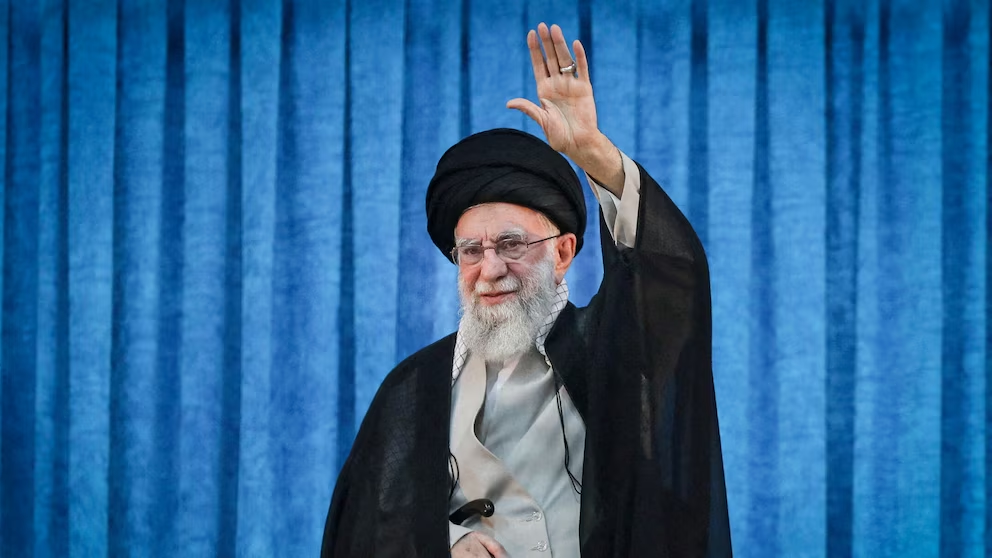
Rising Tensions Between Iran, the United States, and Israel
Tensions between Iran, the United States, and Israel have intensified significantly that (Ayatollah Ali Khamenei Reported Dead),which creating a fragile and unpredictable security environment across the Middle East. Diplomatic rhetoric has grown sharper, military forces are on heightened alert, and regional allies are closely watching every development. While none of the three countries has formally declared a direct war posture, recent events suggest that mistrust and strategic rivalry are deepening. Analysts warn that even limited confrontations or proxy clashes could spiral into a broader conflict if diplomatic restraint fails. The situation remains fluid, with each side attempting to balance deterrence, domestic political considerations, and international perception.
Historical Background of the Iran–U.S.–Israel Conflict
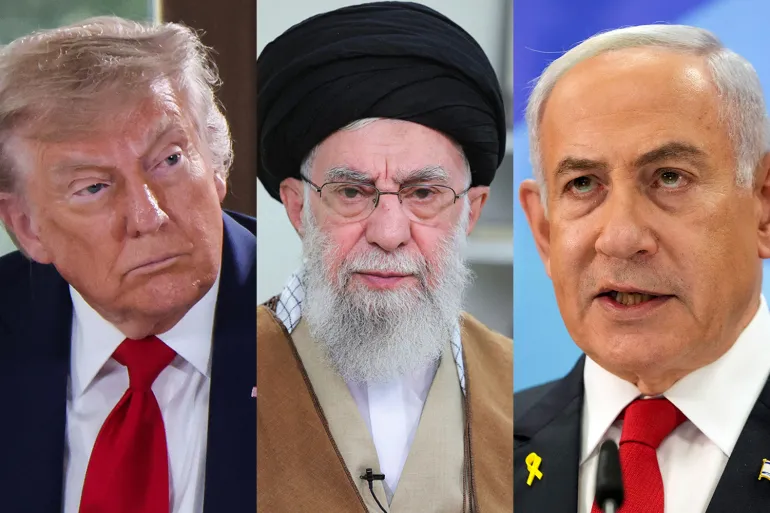
The roots of the conflict stretch back decades, particularly to the 1979 Islamic Revolution in Iran, which reshaped Tehran’s political system and foreign policy direction. Since then, relations between Iran and the United States have been marked by sanctions, diplomatic isolation, and periodic military confrontations. Israel’s tensions with Iran stem largely from Tehran’s support for regional armed groups and its long-term strategic positioning in neighboring countries. Over time, ideological differences have evolved into a broader geopolitical rivalry, with both Washington and Tel Aviv viewing Iran’s expanding regional footprint as a direct challenge to their security interests. These historical grievances continue to influence modern policy decisions and military planning.
Recent Military Escalations and Strategic Messaging
Recent months have seen an increase in military posturing, targeted strikes, and security warnings. Israel has carried out operations against Iranian-linked assets in Syria, arguing that such actions are necessary to prevent advanced weapons transfers and military entrenchment near its borders. Iran has responded with strong statements condemning what it calls violations of sovereignty, warning that any direct attack would trigger retaliation. The United States, while emphasizing its defensive posture, has repositioned certain military assets in the region to protect its personnel and allies. These moves, though framed as precautionary, send powerful strategic signals that all sides are prepared for escalation if necessary.
Iran’s Nuclear Program and International Concerns
At the center of the geopolitical standoff remains Iran’s nuclear program. Western officials argue that Iran has expanded uranium enrichment beyond the limits established under the 2015 nuclear agreement, raising concerns about potential weaponization capability. Iran maintains that its nuclear activities are strictly for peaceful energy production and medical research, insisting it has no intention of developing nuclear weapons. However, skepticism remains high among U.S. and Israeli leaders, who have repeatedly stated they will not allow Iran to achieve nuclear weapons capability. The collapse of earlier diplomatic frameworks has left negotiations stalled, increasing the risk that military options could be reconsidered if diplomacy fails.
Proxy Conflicts and Expanding Regional Influence
Iran’s influence extends across Iraq, Syria, Lebanon, and Yemen through allied political movements and armed groups, forming what analysts often describe as a network of strategic depth. Israel views this regional presence as a security threat, particularly along its northern borders where tensions occasionally flare. In Syria, Israeli air operations targeting Iranian positions have become a recurring element of the conflict landscape. Meanwhile, armed groups aligned with Tehran have been active in multiple theaters, adding complexity to an already volatile region. These proxy dynamics make de-escalation challenging because confrontations often occur indirectly rather than through official state-to-state engagement.
Diplomatic Efforts and Global Reactions
Despite rising tensions, diplomatic efforts have not completely collapsed. International actors, including European powers and the United Nations, continue urging restraint and renewed dialogue. Backchannel communications reportedly remain open, though progress has been limited. Major global economies are closely monitoring developments, aware that instability in the Middle East can have far-reaching consequences for energy markets and global trade. While public rhetoric often appears uncompromising, diplomats behind the scenes are attempting to prevent miscalculations that could lead to unintended escalation.
Read More:
- TechCrunch Com Review 2026: Unveiling the Ultimate Resource for Tech Enthusiasts
- Die Bewegung der Erde: Geschwindigkeit & Fakten erklärt
- Ayatollah Ali Khamenei Reported Dead After U.S.–Israeli Offensive, Iranian State TV Says
- DeepSeek Builds AI Model on Nvidia Chip Despite Ban, Officials Confirm
- iPhone 17e Arrives March 2026: Is This Apple’s Biggest Upgrade Yet?
Economic Impact and Oil Market Volatility
Financial markets have responded cautiously to developments in the region. Oil prices have experienced fluctuations amid concerns about potential disruptions to shipping routes, particularly in the Strait of Hormuz, a vital corridor for global energy supplies. Investors remain sensitive to any signals of direct confrontation, understanding that even limited military clashes could disrupt supply chains and increase energy costs worldwide. Sanctions on Iran continue to pressure its domestic economy, while neighboring states weigh the economic risks associated with prolonged instability.
Risks of Escalation and Miscalculation
Security experts emphasize that the greatest danger may not be intentional war, but miscalculation. In an environment filled with drones, cyber operations, intelligence maneuvers, and proxy actors, even a small incident can escalate rapidly. Attribution in cyber or covert operations can be difficult, increasing the risk of retaliatory actions based on incomplete information. With military forces operating in close proximity across multiple theaters, the margin for error remains thin. Strategic restraint and communication channels are therefore critical in preventing a localized clash from expanding into a broader regional crisis.
What Could Happen Next?
Looking ahead, several scenarios remain possible. Diplomatic negotiations could resume, potentially reviving nuclear discussions and easing tensions. Alternatively, limited proxy confrontations may continue without escalating into full-scale war. There is also the possibility of expanded sanctions or intensified cyber operations as tools of pressure short of open conflict. Much will depend on leadership decisions, intelligence assessments, and the willingness of all sides to prioritize stability over confrontation. For now, the region remains on edge, with global attention focused on preventing further escalation.
FAQ’s About “Ayatollah Ali Khamenei”
1. Is Ayatollah Ali Khamenei confirmed dead?
Reports from Iranian state media claim that Supreme Leader Ayatollah Ali Khamenei has died, and Iran has declared a mourning period. However, there are still conflicting reports and denials from some officials about his status.
2. What have Iranian authorities officially said about his death?
Iranian state television broadcast a confirmation of Khamenei’s death and announced 40 days of national mourning. Iranian officials and some state-linked outlets also referred to him as having reached martyrdom.
3. What do denial reports say?
Some Iranian media and officials initially rejected reports of his death, stating that Khamenei was “steadfast” and commanding the field, and that claims of his death were part of misinformation.
4. What triggered the reports of his death?
The reports began after Israeli and U.S. military strikes on Iranian targets, including areas around what was described as Khamenei’s compound. Israeli leaders claimed there were signs he had been killed.
5. Did Iran mention how he died?
Iranian state media confirmed his death but did not specify details of the cause or link it directly in official statements to the military strikes.
6. Has any international leader commented on the reports?
Yes — leaders from other countries, including the United States and Israel, have made public statements saying they believe he was killed. These claims have been cited widely but remain part of the conflicting reporting.
7. What has the global reaction been?
International reaction is mixed: some nations express concern over rising tensions; others comment on the implications for regional stability. Global bodies are urging restraint. (General overview based on reporting trends.)
8. What does his death mean for Iran’s leadership?
If confirmed, Khamenei’s death would mark a major leadership transition in Iran. The constitution provides for succession protocols, but the process could be complex amid crisis conditions. (Inferred from news on succession framework.)
9. Are there conflicting reports about his family?
Some reports including state outlets suggest members of Khamenei’s family may have been killed in the same strikes, though these details are not confirmed by independent sources.
10. Is the situation still evolving?
Yes. The situation is highly fluid, with new claims and rebuttals still emerging from both Iranian sources and foreign governments. Independent, verifiable confirmation from multiple international news agencies is still pending.
